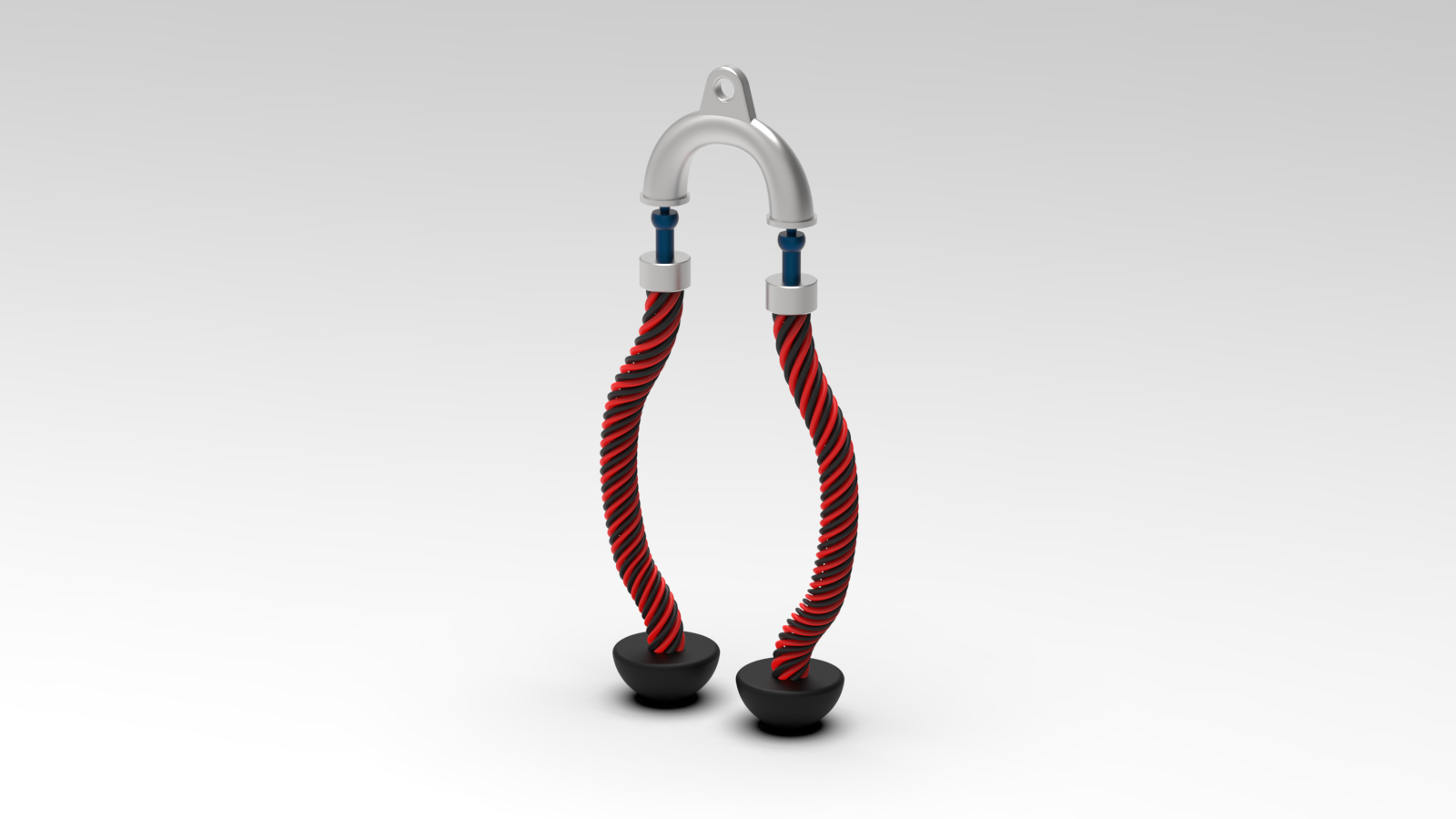
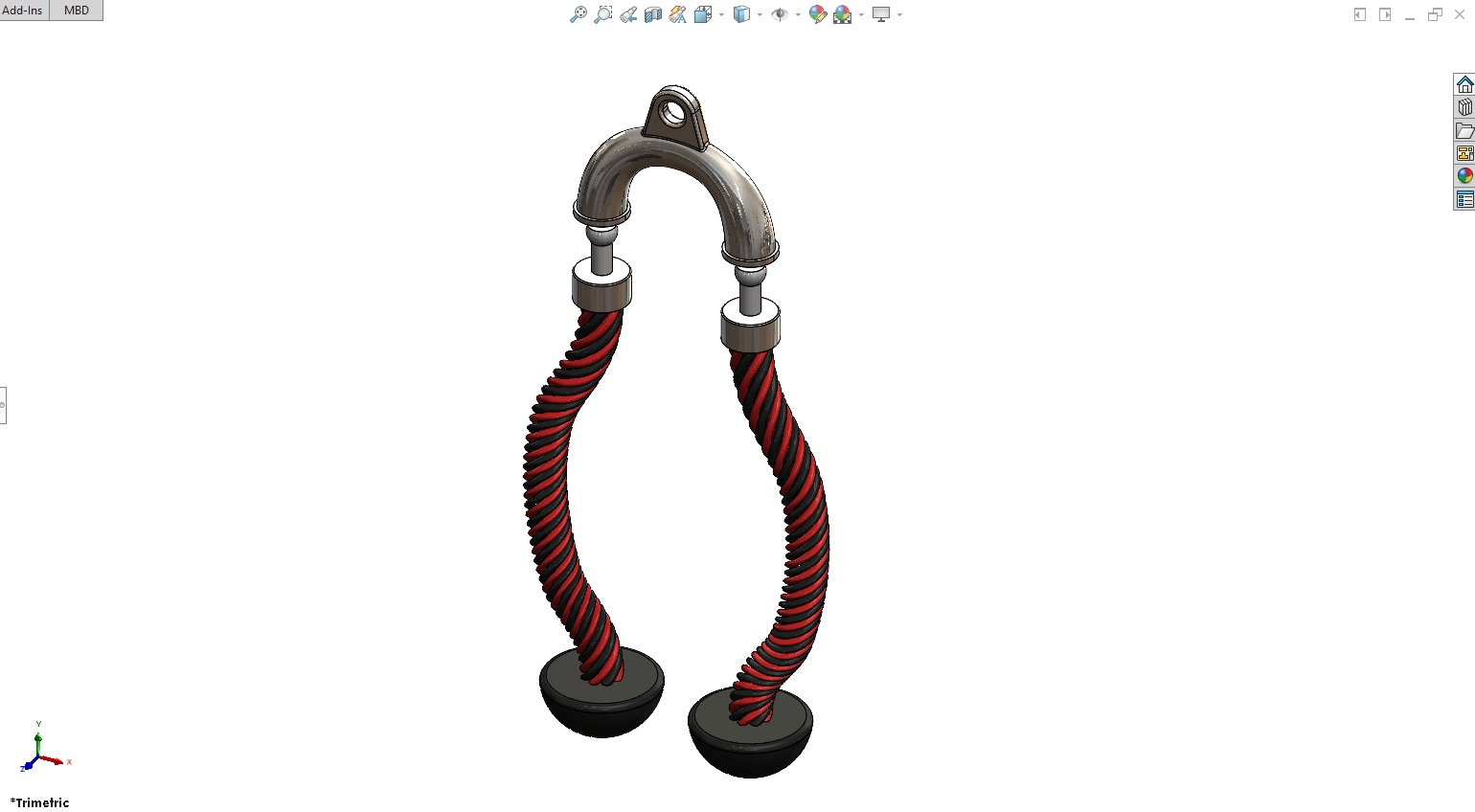
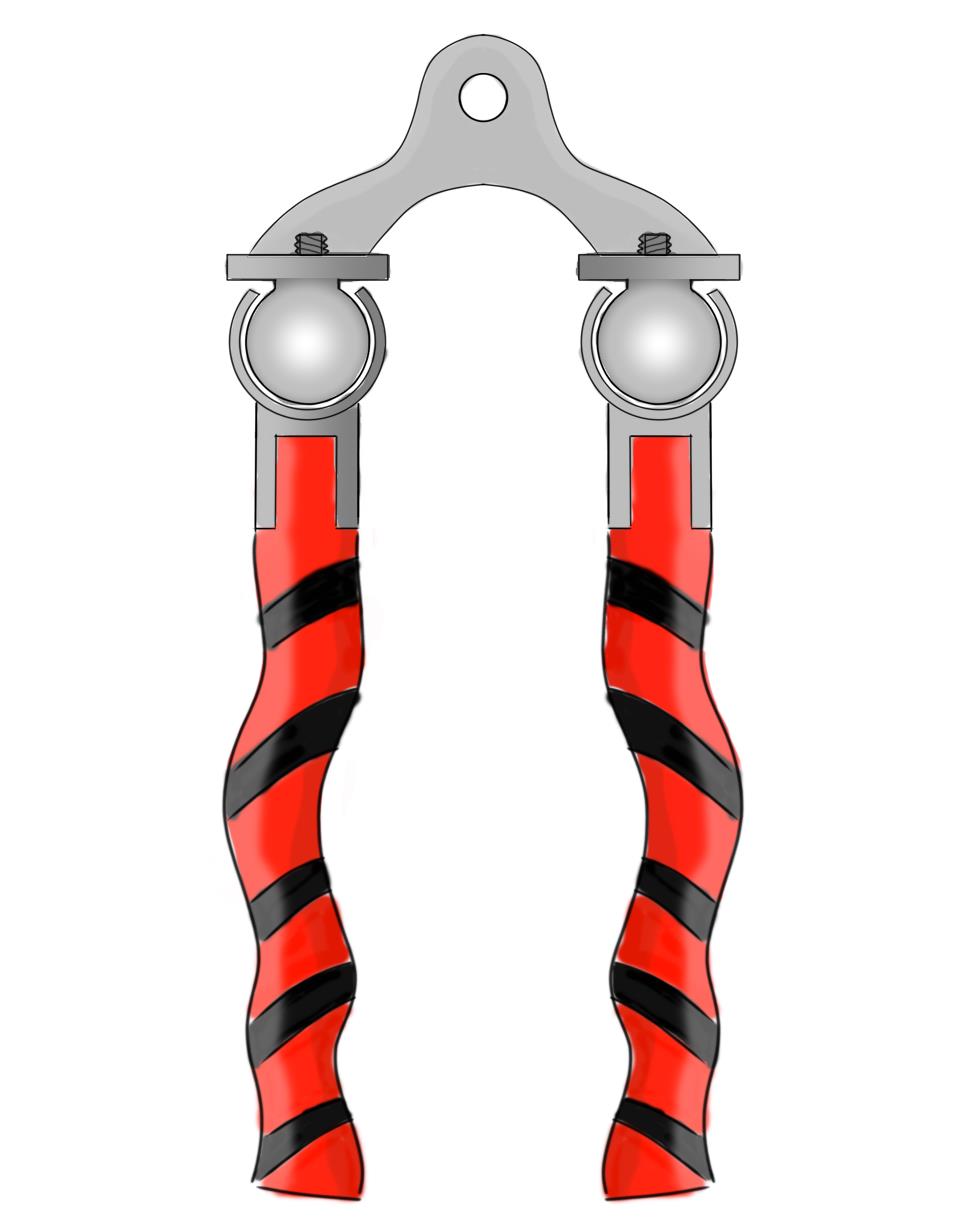
Redesigned the triceps rope attachment to reduce rope wear while preserving natural movement—validated with load assumptions and manufacturer-ready drawings.
Gallery
A collection of snapshots from CAD design, prototyping & Real product
No items found.
Starting Point
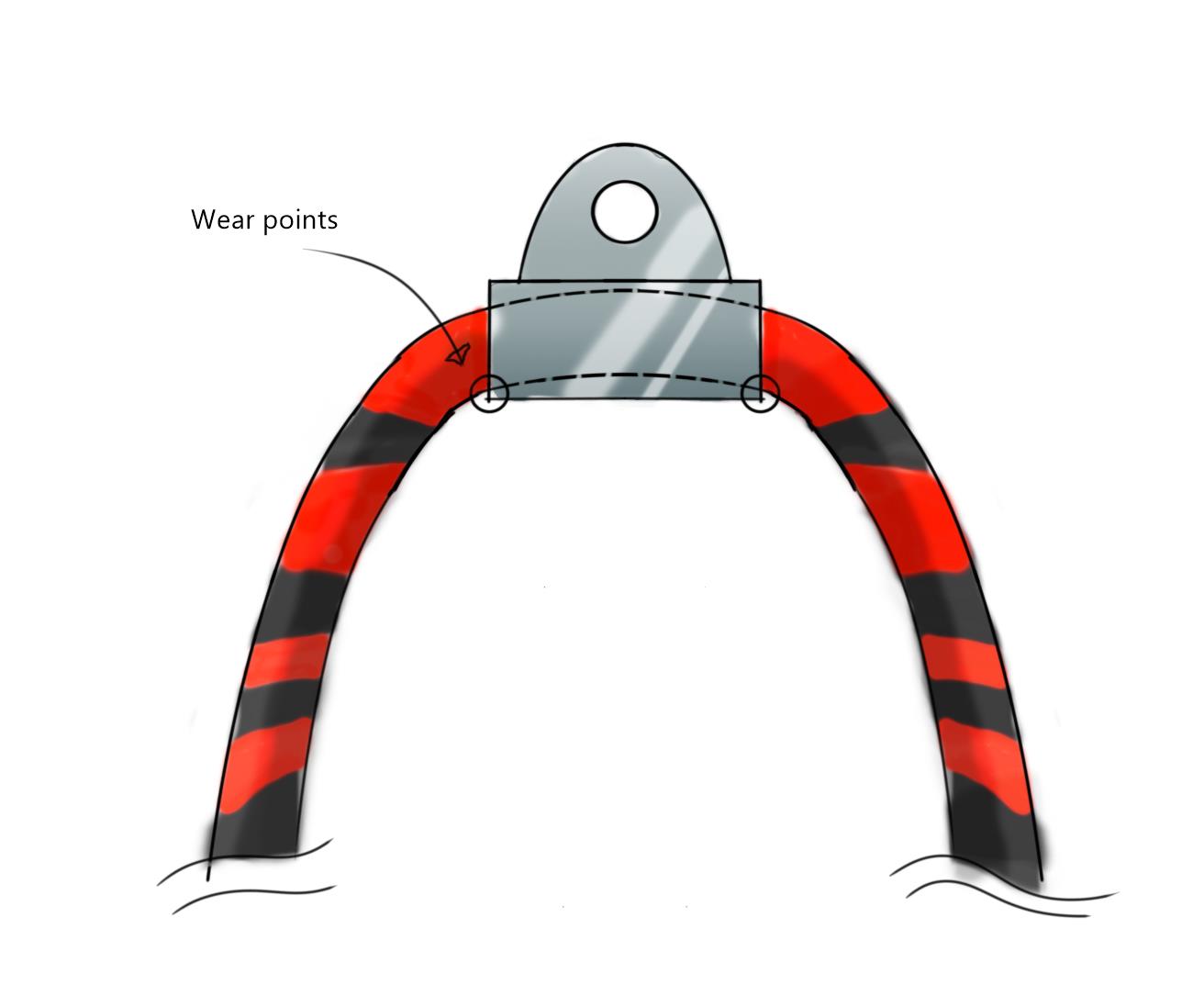
The problem Standard triceps ropes use a metal “divider” that slowly frays the rope at the apex, causing uneven loading and early failure.
Key requirements
Reduce rope wear at the apex
Match (or improve) the original exercise motion
Keep manufacturing efficient and scalable (low custom complexity)
My Contribution
Translated the brief into clear, manufacturable design constraints (motion first, durability second).
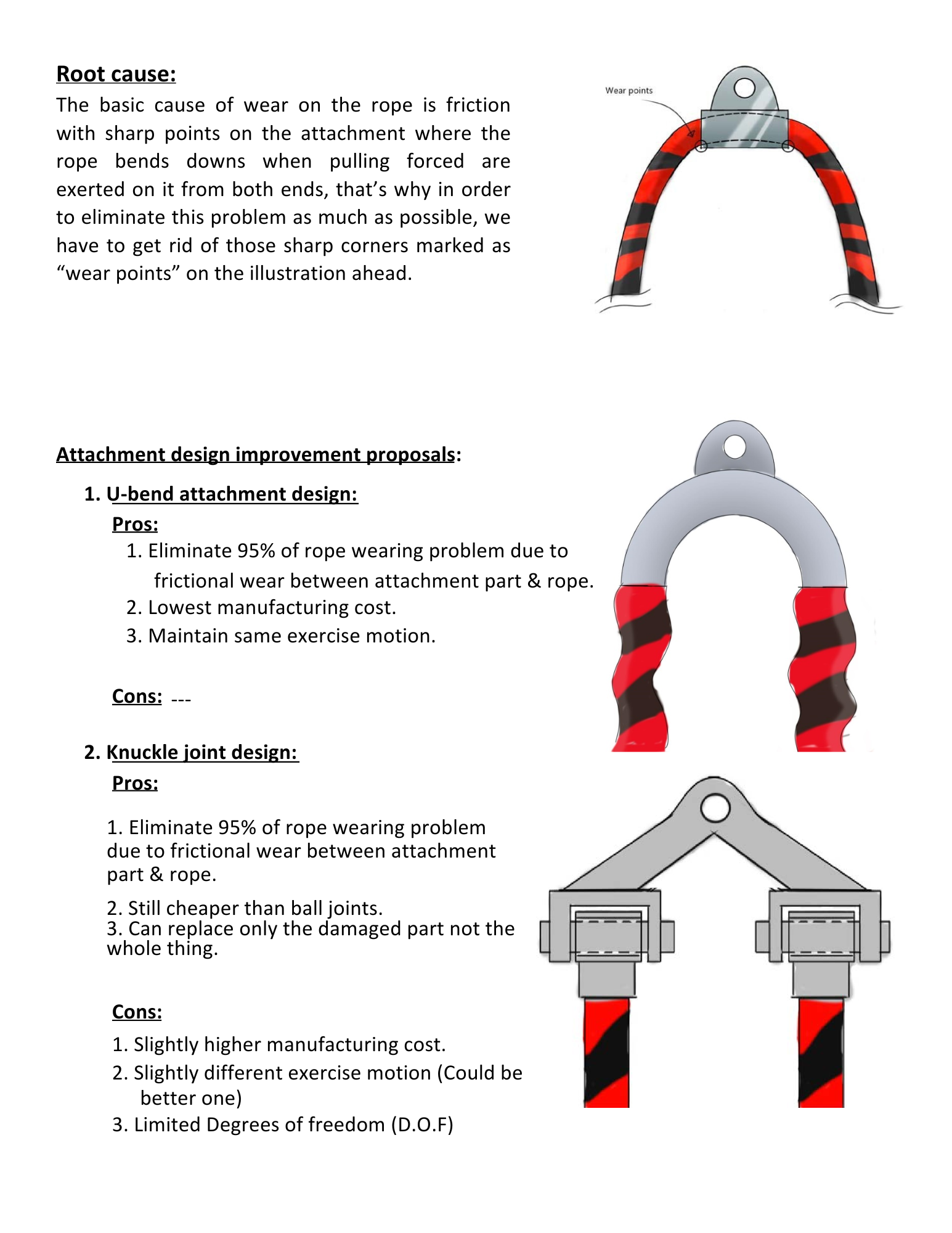
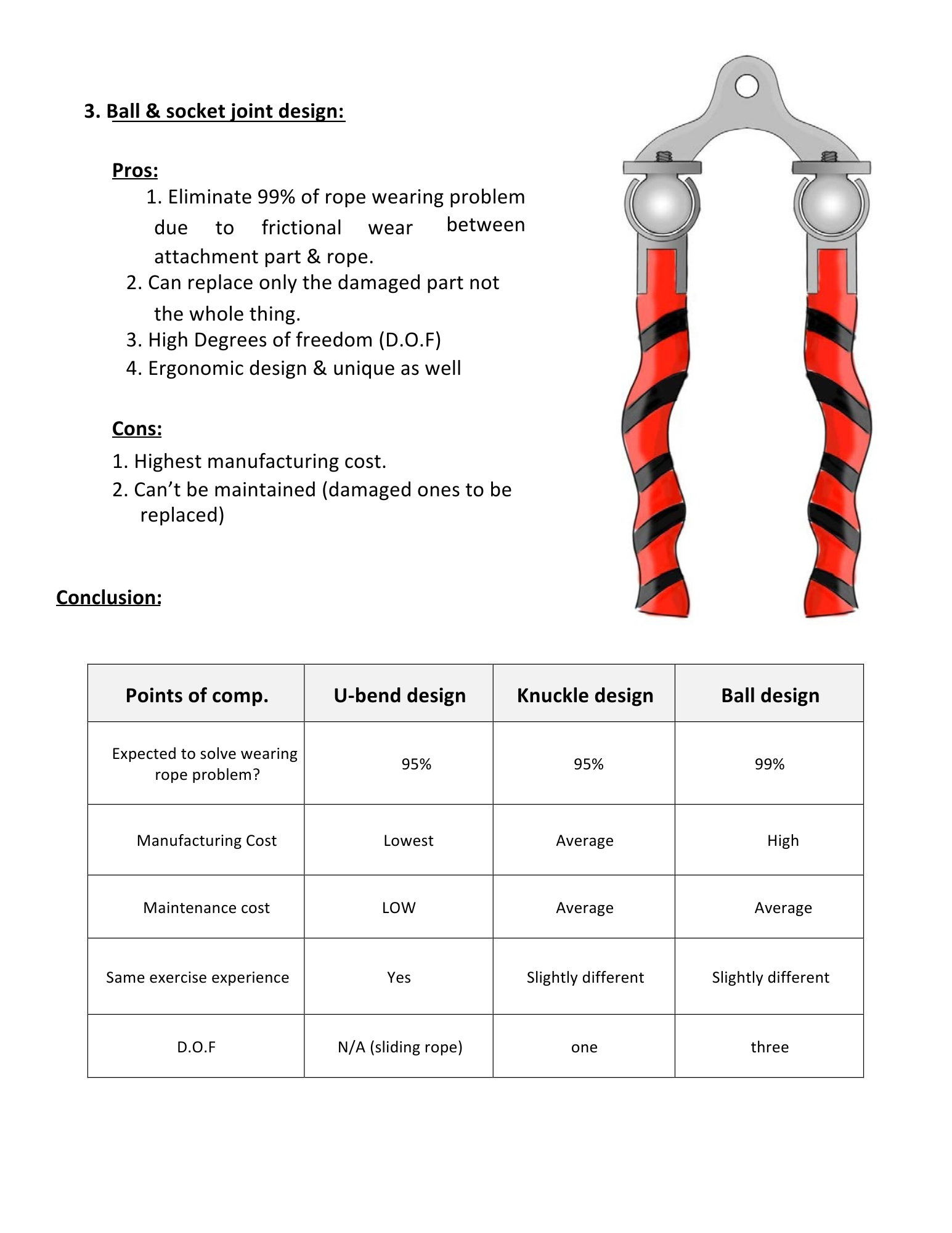
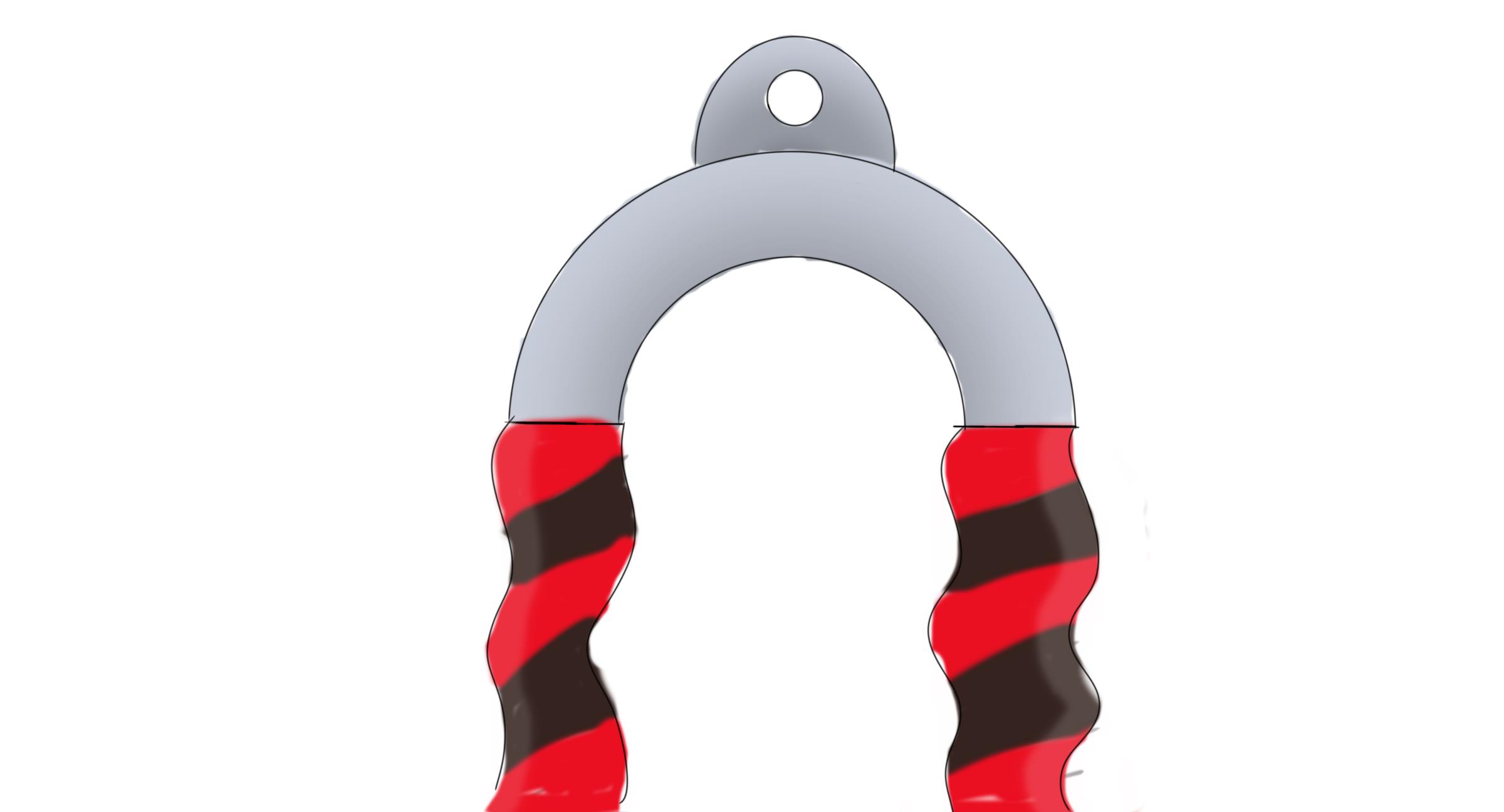
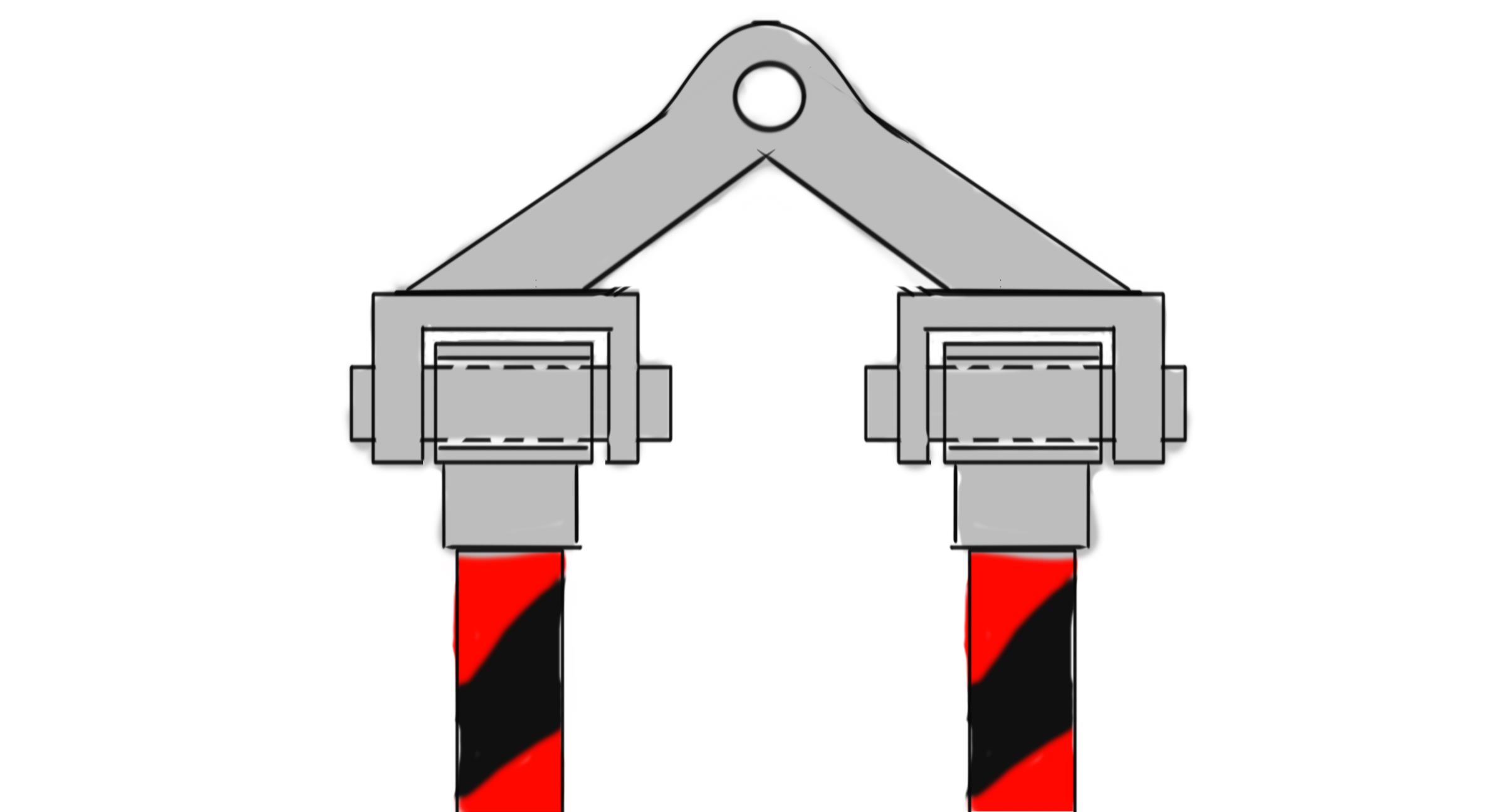
Developed multiple attachment concepts and compared them by durability, manufacturability, maintenance, and movement.
Investigated off-the-shelf joint options, contacted suppliers, and aligned the design around a realistic sourcing path.
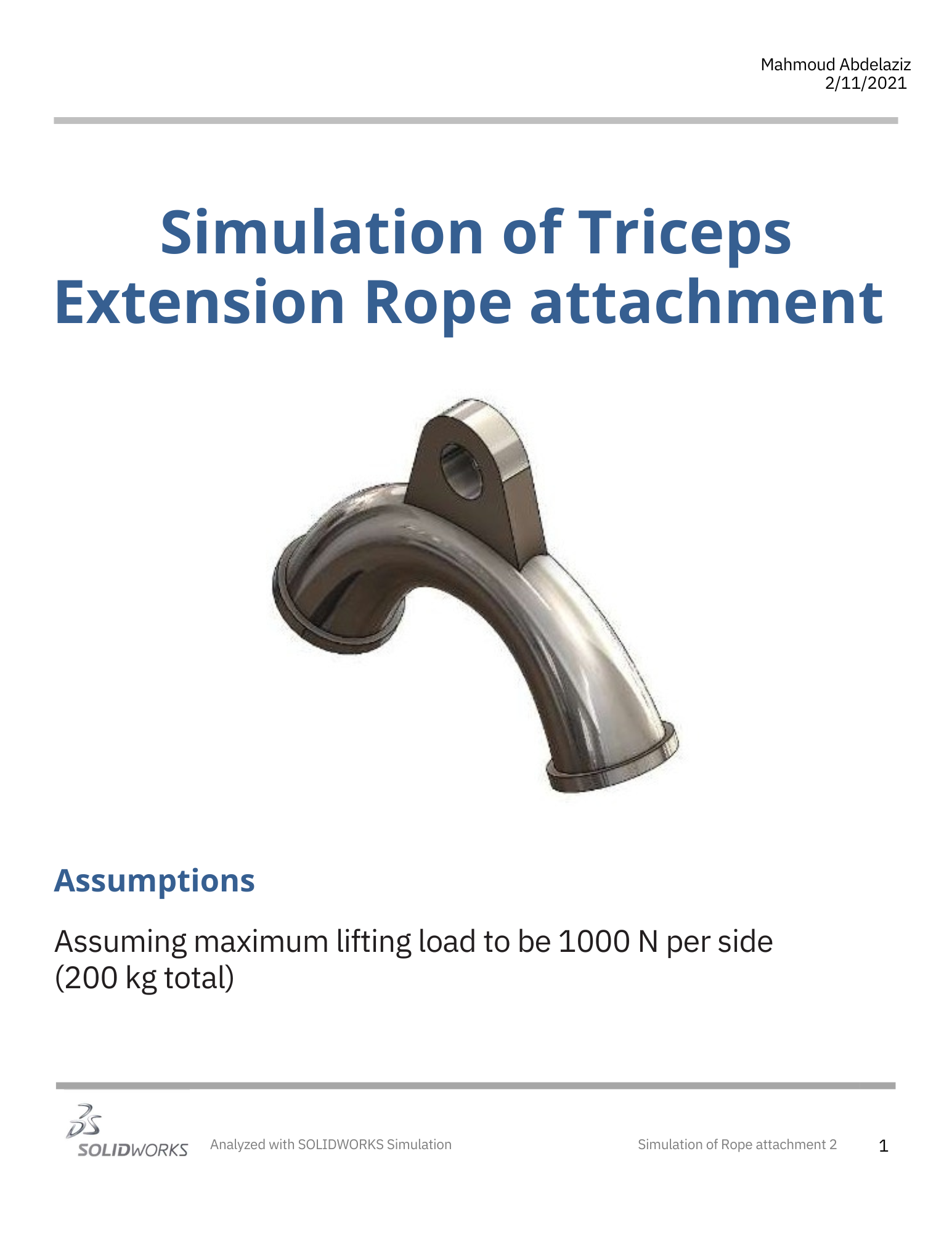
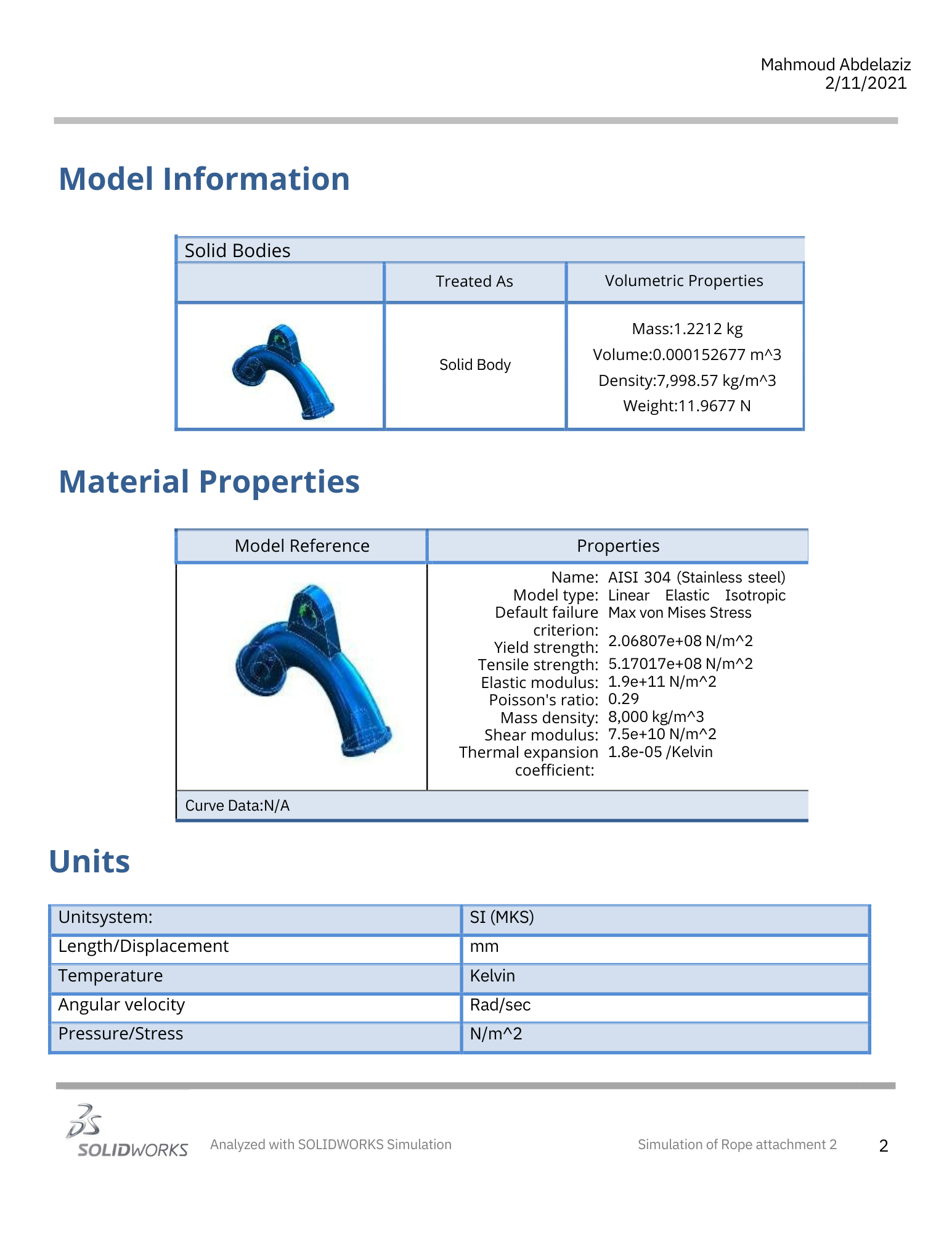
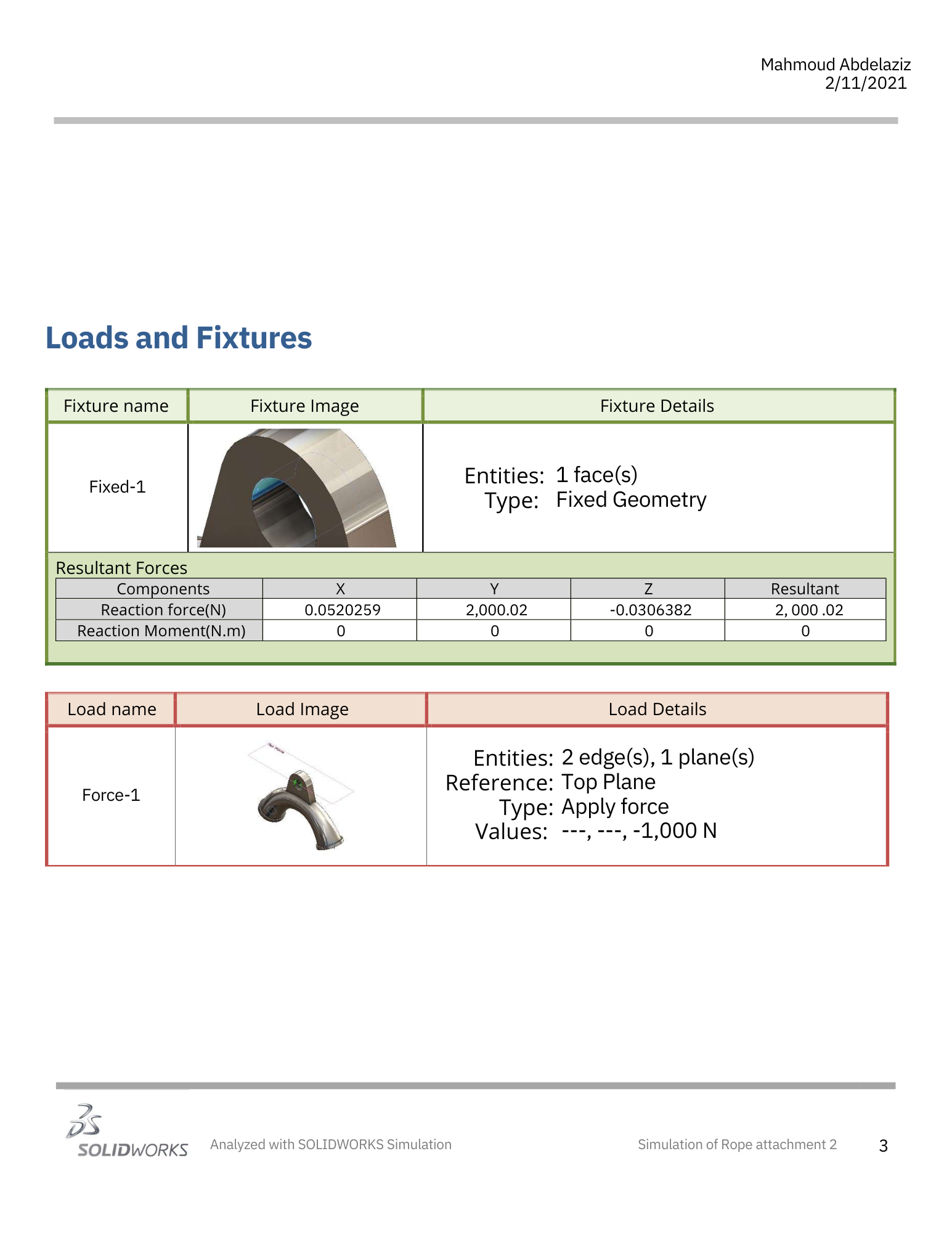
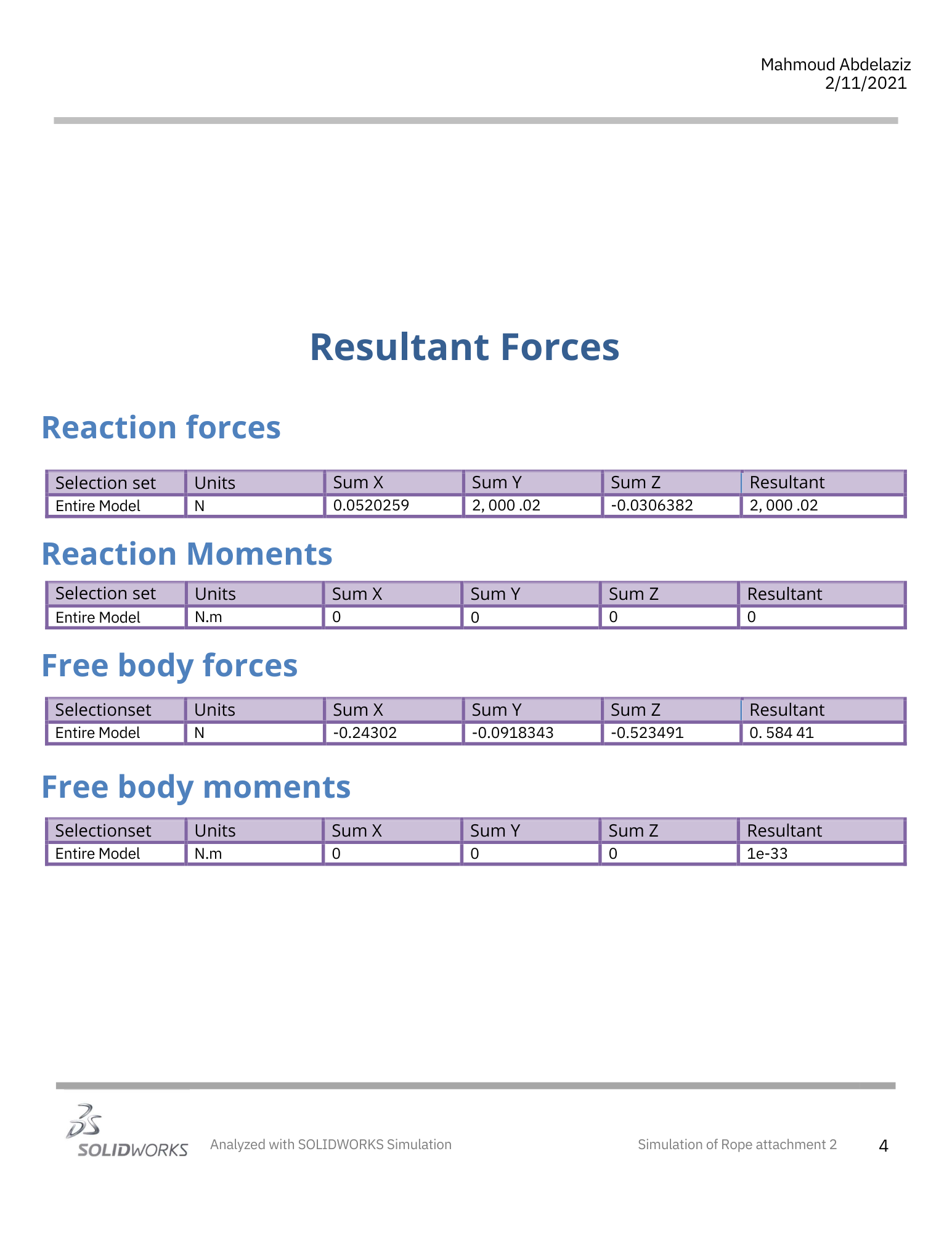
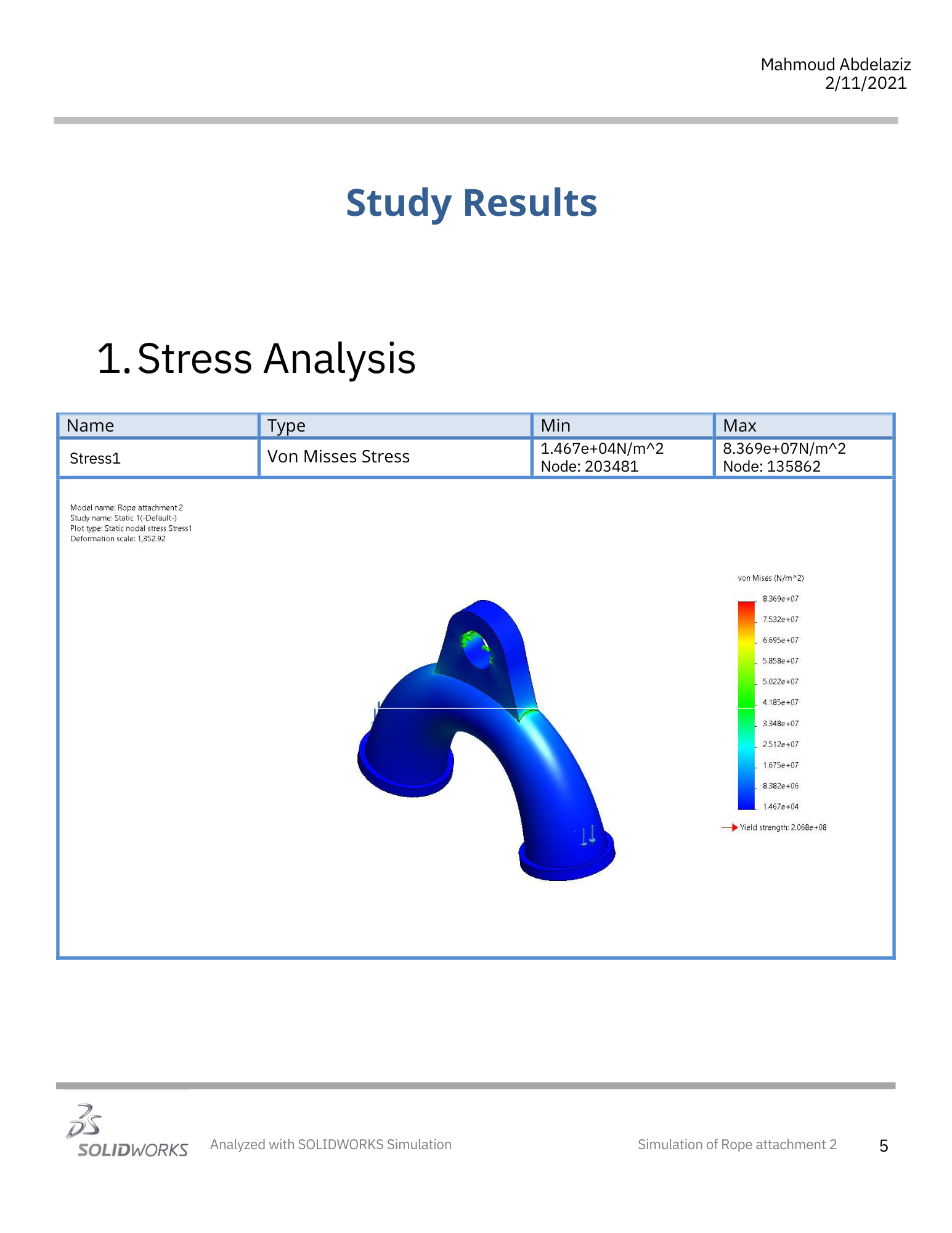
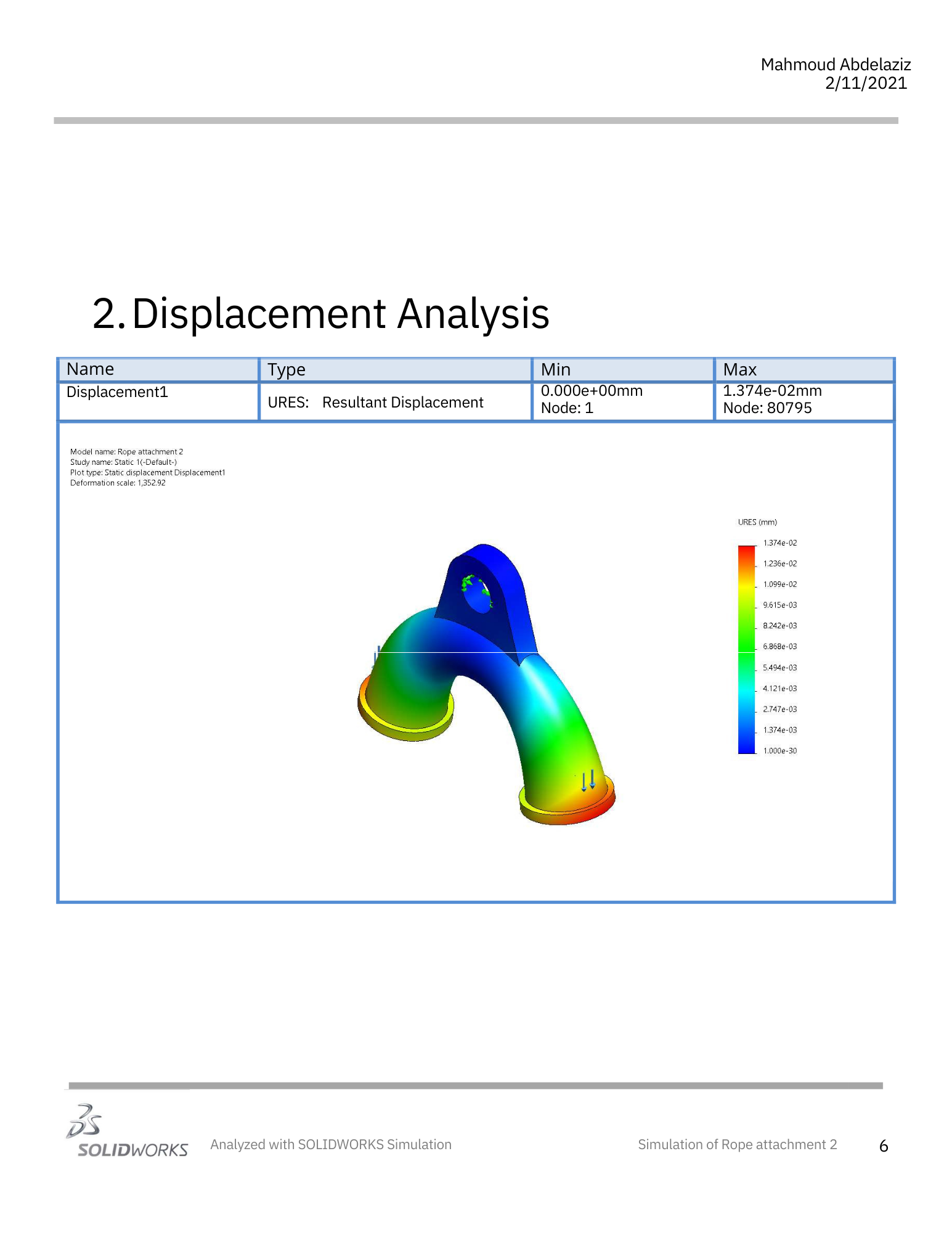
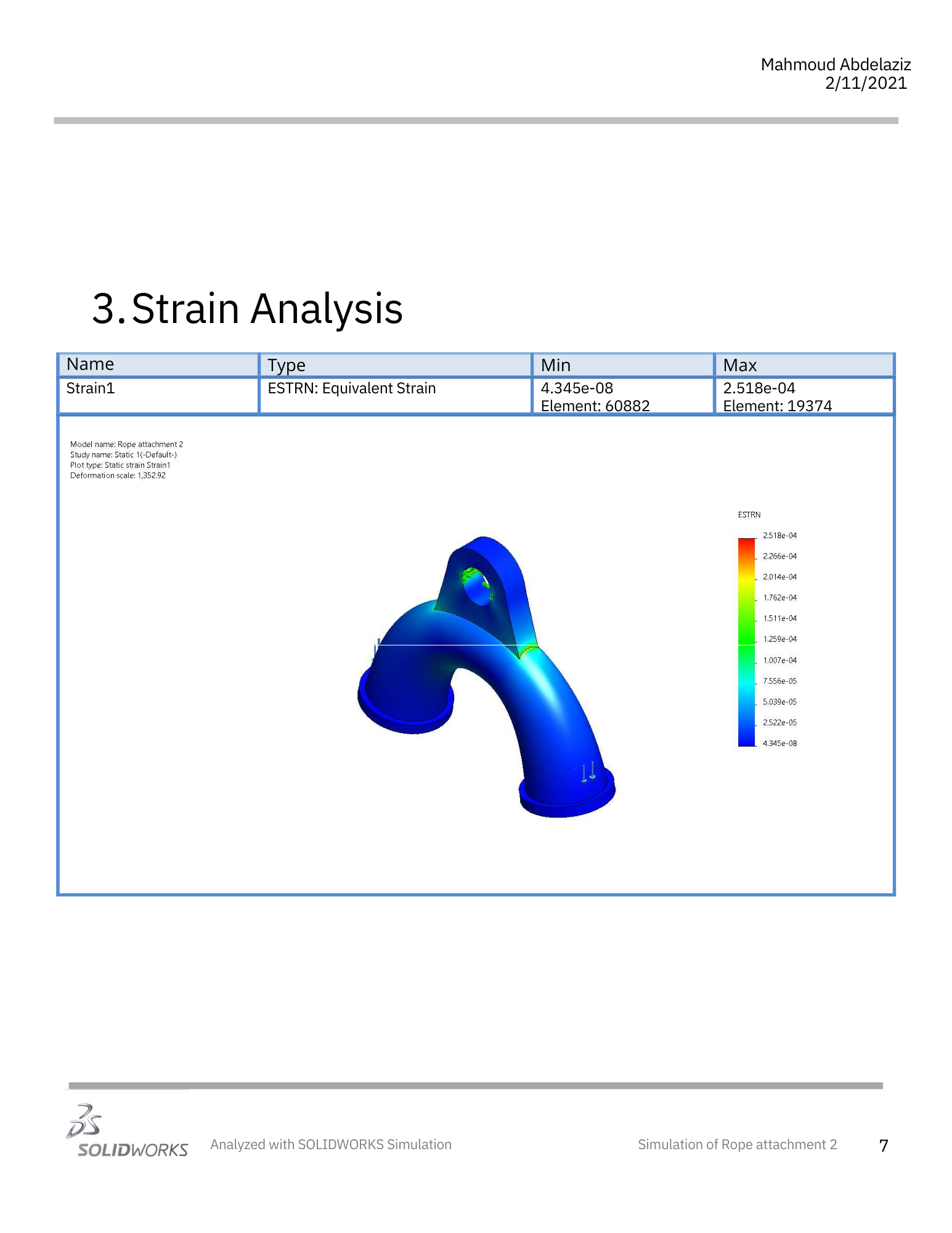
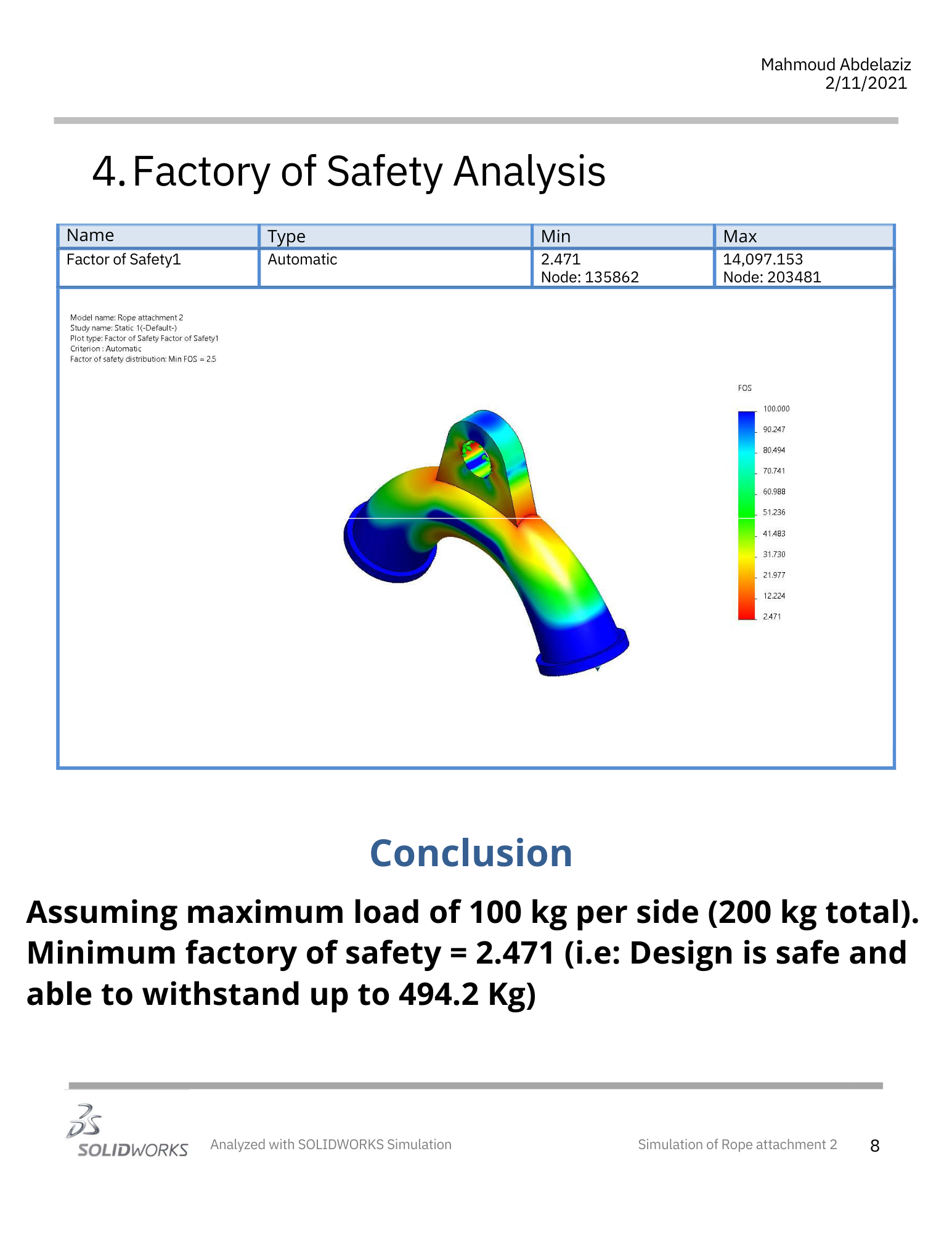
Ran quick load-case sanity checks (high safety margin assumption) and iterated geometry to stay strong without over-engineering.
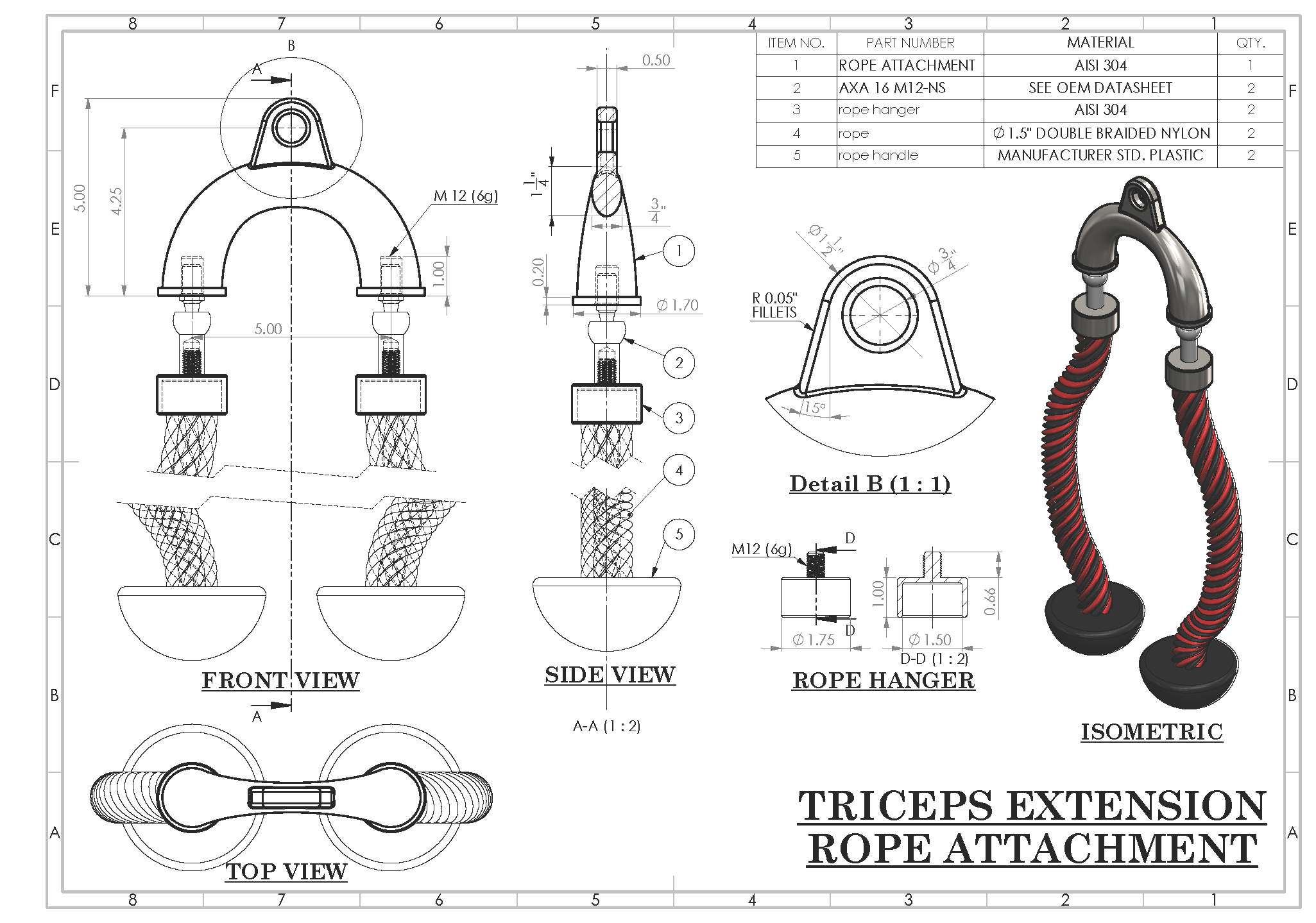
Delivered production-ready CAD + drawings so the client could quote and manufacture immediately.
Final Outcome
Translated the brief into clear, manufacturable design constraints (motion first, durability second).
Developed multiple attachment concepts and compared them by durability, manufacturability, maintenance, and movement.
Triceps Extension rope developm…
Investigated off-the-shelf joint options, contacted suppliers, and aligned the design around a realistic sourcing path.
Ran quick load-case sanity checks (high safety margin assumption) and iterated geometry to stay strong without over-engineering.
Delivered production-ready CAD + drawings so the client could quote and manufacture immediately.
Proof & Status
Proof & Status (Rich text)
Concept options were presented with pros/cons and selected based on movement + manufacturability priorities.
Triceps Extension rope developm…
Manufacturer-ready package delivered (CAD + drawings) for quoting and production.
Project delivered within the original time expectation discussed with the client.
%20(2).png)